
The UK government has announced a £132.5m funding package for after-school clubs and extracurricular activities, as it prepares to introduce new social media restrictions for under-16s. It marks a pivotal step in improving access to enrichment opportunities for children across the UK and is designed to expand activity offerings such as in sport, arts and life skills.
The funding announcement will also prompt important considerations for SLT and estates managers, because for schools to align with the government’s new focus, flexible estates with different spaces on offer, that can support a broad range of learning experiences, will be required.
Recognising the shift
The new funding reflects a broader shift within the education sector, as schools are increasingly expected to integrate extra-curricular activities into their offering, to support children’s development beyond the academic curriculum.
There is greater pressure on schools to adapt and become spaces where students can thrive and overcome the unique challenges they face in the modern world, such as online isolation or social media use. Ofsted will consider a school’s enrichment offering as a key part of how it assesses personal development, with parents now able to view their local school’s extra-curricular and after-school club programmes online.
Planning ahead
Many school sites, however, have not been designed to accommodate new after-school clubs and extracurricular activity, limiting the number of students that can be accommodated at these new clubs, and the quality or variety of activities that can be offered.
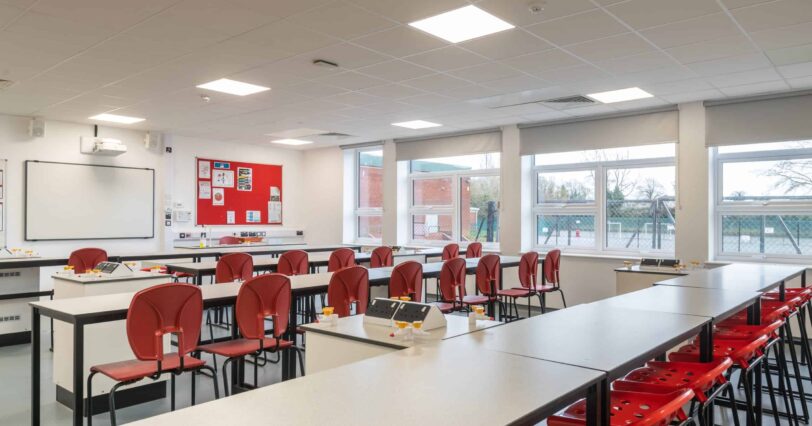
SLT and estates managers who review their estates now may be better positioned to take advantage of future enrichment opportunities. Having additional, adaptable spaces in place will allow schools to respond efficiently as programmes expand. This creates additional value, as adaptable spaces can support after-school clubs while also serving as STEM environments, art studios and multi-purpose teaching areas.
The value of MMC
New projects and additional space won’t necessarily require major redevelopment or lengthy periods of on-site disruption.
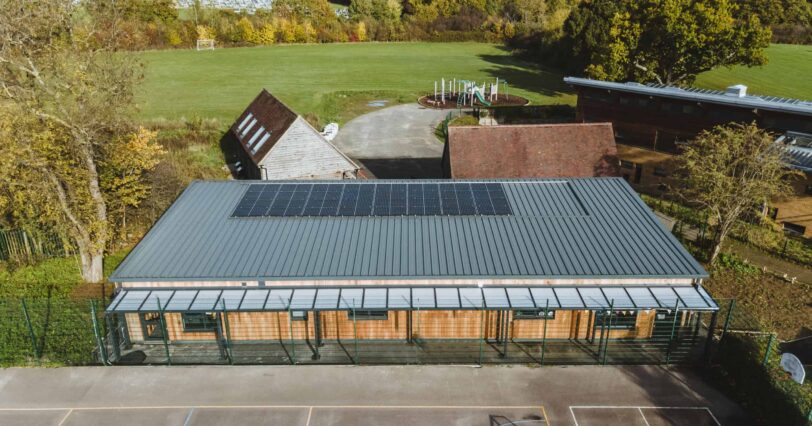
Modern methods of construction (MMC), and modular solutions in particular, can be highly valuable in addressing expanding extra-curricular offerings without the challenges associated with traditional construction. Because they can be manufactured completely off-site, modular projects can be delivered, modular projects can also be delivered significantly faster and with reduced disruption to the school site and calendar.
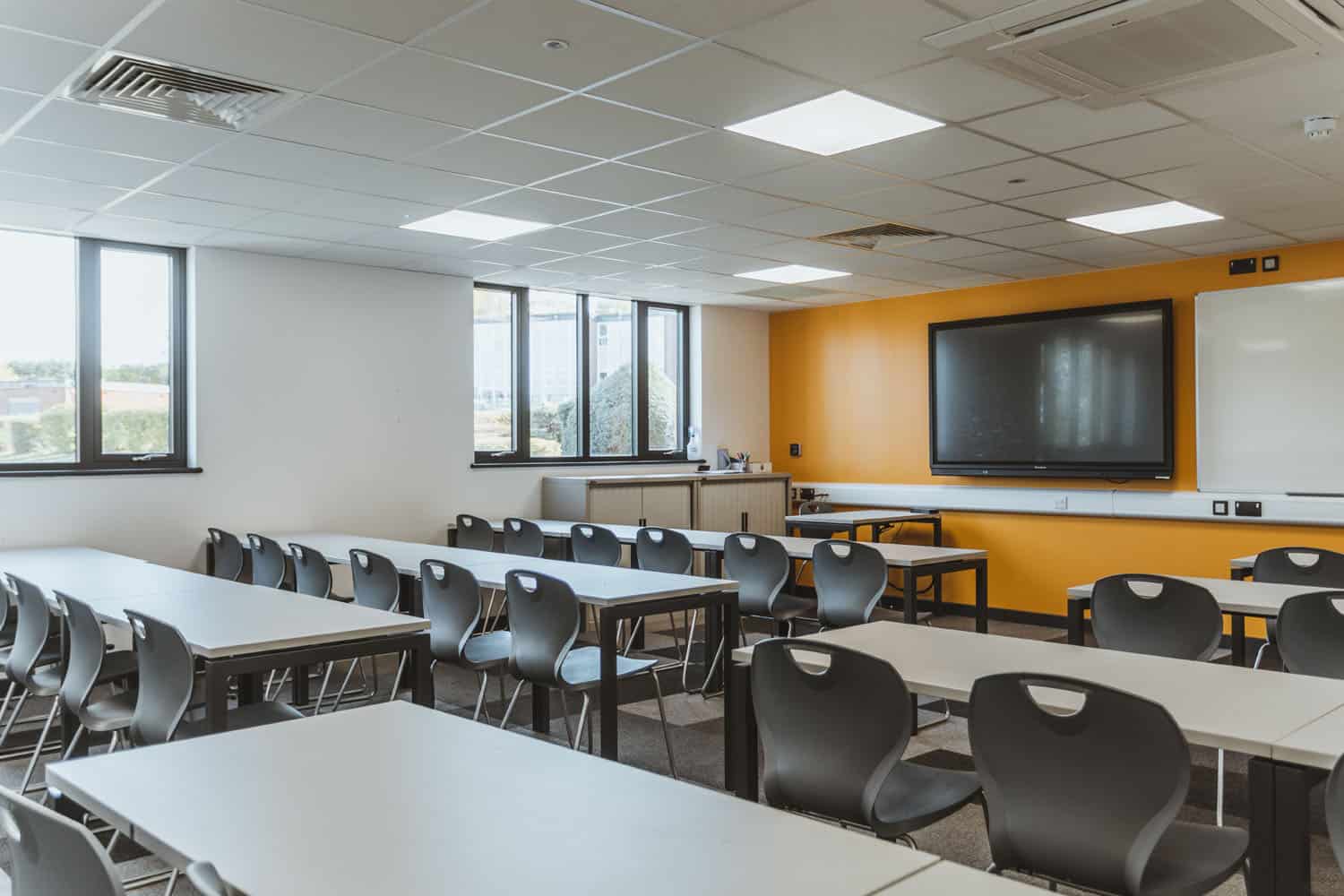
Vitally, modular buildings are highly adaptable, and spaces can be designed to serve multiple purposes and re-configured as required. Buildings can function as classrooms during teaching hours, host extra-curricular activities after school, and be used as specialist SEND hubs or community facilities as needed. This allows schools to align with the government’s growing focus on after-school clubs, whilst addressing their own unique needs. It also means they won’t need to invest in permanent solutions to create spaces for after-school clubs, as this may not remain a suitable investment as intakes and school priorities evolve.
The government’s new funding announcement presents a valuable opportunity for schools and estates managers to expand enrichment and genuinely support pupil wellbeing and development. However, delivering these programmes successfully will require more than government funding alone, as high quality, flexible spaces will be required to support a wider range of activities, maximise participation and meet changing pupil needs over time.
Want to find out more about how modular solutions can help your school estate align with the government’s increased focus on after-school clubs?Contact the team here.