
Throughout 2025, significant commitments were announced to rebuild schools, remove Reinforced Autoclaved Aerated Concrete (RAAC), expand facilities and fund major building repairs and expansions.
This has set the stage for significant transformation of UK schools in 2026, and school estate managers will need to consider how to make improvements while complying with strict budgets, timelines, sustainability criteria and limiting disruption. At the same time, they will need to monitor new announcements and funding opportunities throughout the year, preparing strong, evidence-based bids that meet both financial and environmental requirements.
At Net Zero Buildings, we are ready to support schools through 2026, providing modular, sustainable spaces that can be delivered at pace while reducing the impact of construction on live environments. Our solutions align with government funding criteria, and we can offer expert guidance to support schools in preparing strong bid submissions as new funding opportunities emerge in 2026.
Rebuilding school estates
Due to aging infrastructure, some buildings in school estates don’t meet the standards expected by either pupils or parents. To combat this, the government launched The School Rebuilding Programme (SRP) in 2020, which originally aimed to rebuild or refurbish 500 schools and sixth form colleges across England over the next decade. But, this summer, as part of the National Infrastructure Strategy, it was confirmed that this will be expanded, with 250 more schools set to be transformed. Simultaneously, in recent months, the Education Secretary has set out a timeline for the removal of RAAC from all schools and colleges.
Moving into 2026, the removal of RAAC and construction of new replacement buildings will continue to be a focus and must be completed rapidly. During construction, estate managers will need to ensure operational learning environments aren’t negatively impacted by the complexities caused by live construction sites, such as increased noise disruption, safety risks, congestion and pollution.
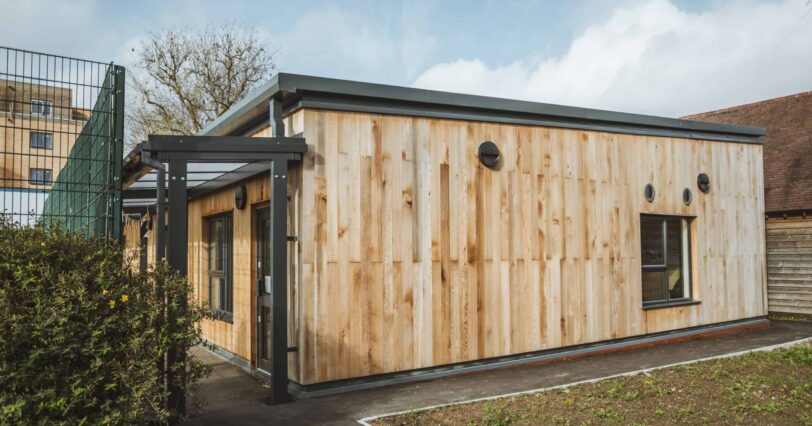
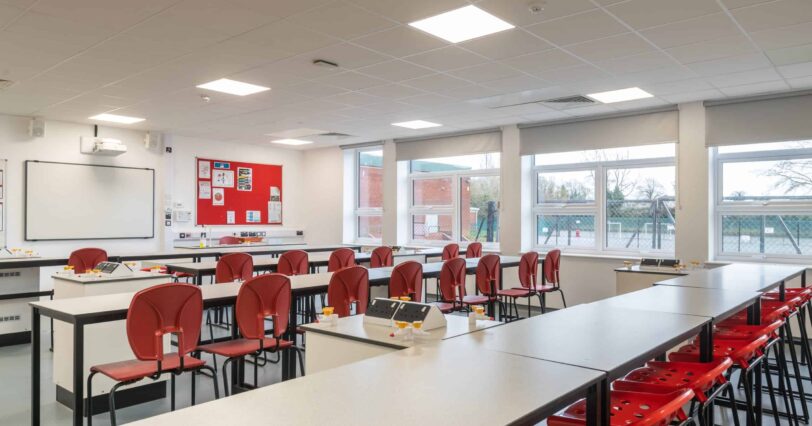
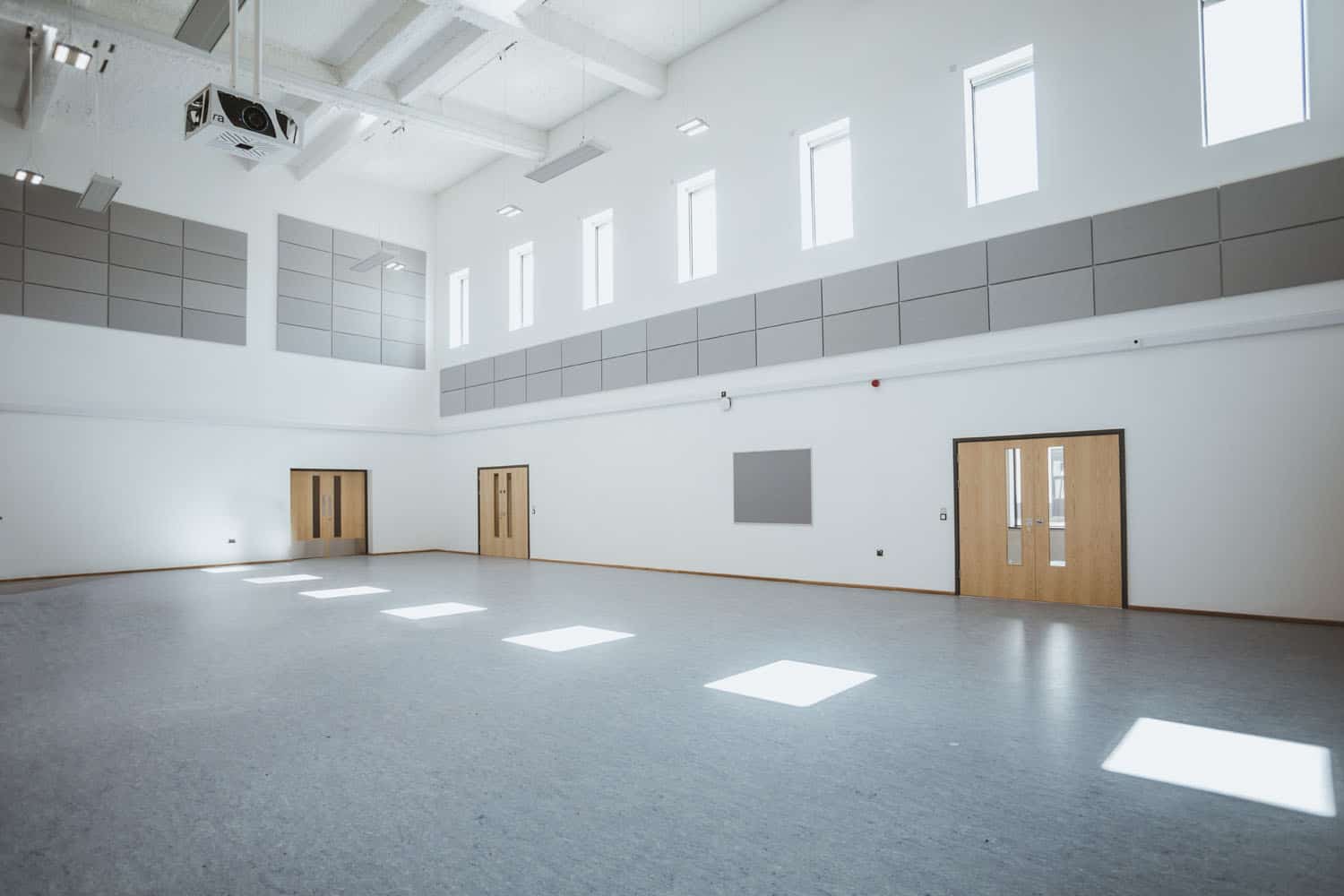
Modern Methods of Construction (MMC) offer a solution, as modular buildings can be manufactured off-site and then installed in a matter of days, immediately reducing the impact on students and curricular activities, as well as unforeseen delays due to weather issues. Vital services can also remain operational and accessible for students, staff and the surrounding community, due to up to 90% of the build taking place offsite.
Planning for new projects
Significant funding was also announced for schools in 2025, which will have a significant impact in the coming months.
For example, The Department for Education’s (DfE) 2025/26 Condition Improvement Fund (CIF), a £470m funding stream aimed at addressing the most serious issues facing education estates through major building repairs (health & safety, energy efficiency) and limited expansion.
Given the urgency of repairs and upgrades, it is essential that funded projects are also delivered through construction methods that are efficient, keep schools operational and avoid unnecessary disruption.
Preparing for new funding opportunities
When bidding for any government funding, early planning, strong evidence of need, and detailed, credible project preparation is essential. Schools must clearly demonstrate that their project addresses a need or genuine health and safety risk through surveys, photos, assessments, and data.
Bids for new construction projects must also include a detailed, value-for-money budget and show how proposed works contribute to net-zero plans, as environmental responsibility is now essential. Once again, MMC offers a helpful solution. Modular construction can reduce build times by up to 50%, which lowers costs and limits expensive on-site delays. Our modular solutions are also highly energy efficient and provide long term opportunities for savings through enhanced thermal efficiency to reduce heat loss, and renewable energy options to lower energy bills.
Simultaneously, modular construction offers strong green credentials and is an inherently more sustainable option than traditional building methods. Lean, precise manufacturing principles lower the embodied carbon of buildings, and modular solutions are designed with circular economy principles in mind, as structures can be repurposed, relocated or reconfigured.
2026 presents a pivotal moment for UK schools, creating both challenges and opportunities. Modular construction offers a fast, efficient, and sustainable solution, reducing disruption, lowering costs, and supporting net-zero targets.
In the coming months, estate managers must be prepared to respond to rebuilding programmes, RAAC removal, new projects approved through 2025 bids, and the opening of new funding rounds. When implemented effectively, funding and rebuilding presents an opportunity to create more resilient, energy efficient, and future-ready education estates over the next 12 months and beyond. For this vision to be realised and to meet strict timelines, budgets, and sustainability targets, off site construction and modular solutions will be essential, offering a fast, efficient, and sustainable approach that minimises disruption, reduces costs, and supports net zero ambitions.
At Net Zero Buildings, we remain dedicated to guiding schools through this next chapter, helping them deliver a better tomorrow for future generations with net-zero energy environments.
Want to hear more about how we’re supporting schools in 2026? Get in touch with one of our experts today.